


By RYAN SKAITH
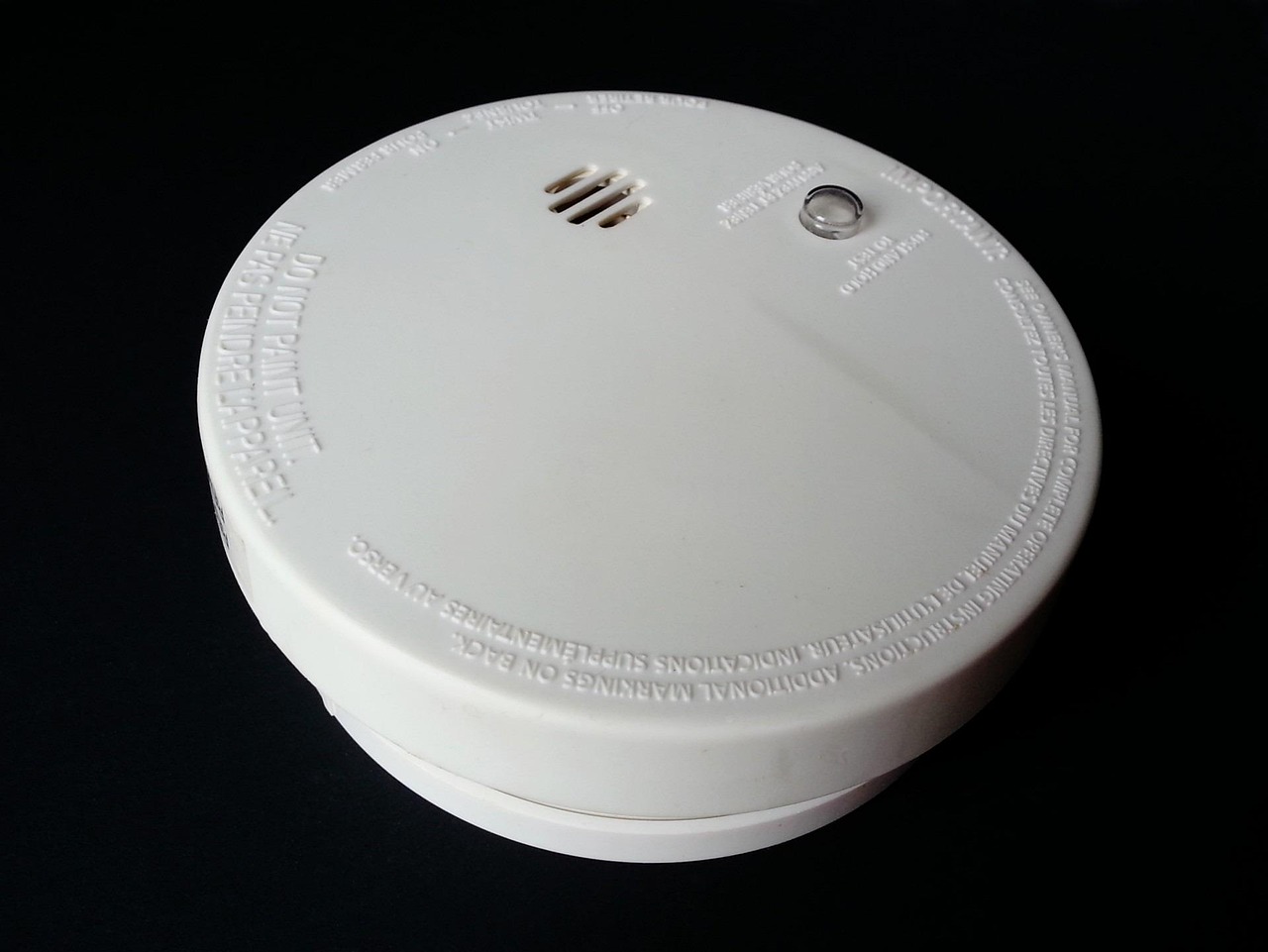
As Missourians prepare to “spring forward” for daylight saving time on Sunday, March 8, State Fire Marshal Tim Bean is urging residents to use the time change as a vital reminder to audit their home safety equipment.
Daylight saving time officially begins at 2:00 a.m. Sunday, when clocks move forward one hour. According to the State Fire Marshal’s secondary mission of public safety, this seasonal transition serves as the ideal window to test smoke and carbon monoxide alarms and review family emergency exit strategies.
“Working alarms cut the risk of dying in a home fire by one-half,” State Fire Marshal Bean said. “As we renovate our homes and children grow up, it’s important to make sure our plans are up to date—and make sure they include an outdoor meeting place.”
Statistics show that approximately half of all home fire deaths occur between 11 p.m. and 7 a.m., a period when most residents are asleep. Because fires can spread rapidly, working smoke alarms provide the early warning necessary for a safe evacuation.
The Fire Marshal’s office recommends that every family member, including children, identify at least two escape routes from every room in their residence.
In addition to fire hazards, officials emphasized the danger of carbon monoxide (CO), an odorless, invisible gas produced by the incomplete combustion of fossil fuels. To ensure year-round protection, the State Fire Marshal’s office issued the following maintenance guidelines:
Smoke Alarms
- Installation: Place alarms on every level of the home and both inside and outside all sleeping areas.
- Testing: Manually test all units once a month.
- Replacement: Change batteries annually (unless using 10-year sealed units) and replace the entire device every 10 years.
Carbon Monoxide Alarms
- Installation: Place units outside sleeping areas and near any fuel-burning appliances.
- Testing: Test monthly and replace units every five to seven years based on manufacturer specifications.
The Fire Marshal also highlighted the growing national trend of fires caused by lithium-ion batteries, commonly found in e-bikes, scooters, and power tools. Residents are advised to use only manufacturer-approved chargers and to avoid charging devices unattended, overnight, or near exits and combustible materials.